Headaches are one of the most common health complaints, affecting people of all ages. While some are mild and occasional, others can be frequent and disruptive, impacting your ability to focus, work, and enjoy daily life. Understanding what’s causing your headaches is the first step toward managing them effectively.
What Causes Headaches?
Headaches can develop for many different reasons, and often it’s a combination of factors rather than a single cause. Some of the most common triggers include:
- Muscle tension in the neck and shoulders
- Poor posture, especially from prolonged sitting
- Stress and mental fatigue
- Dehydration
- Lack of sleep
- Eye strain from screens
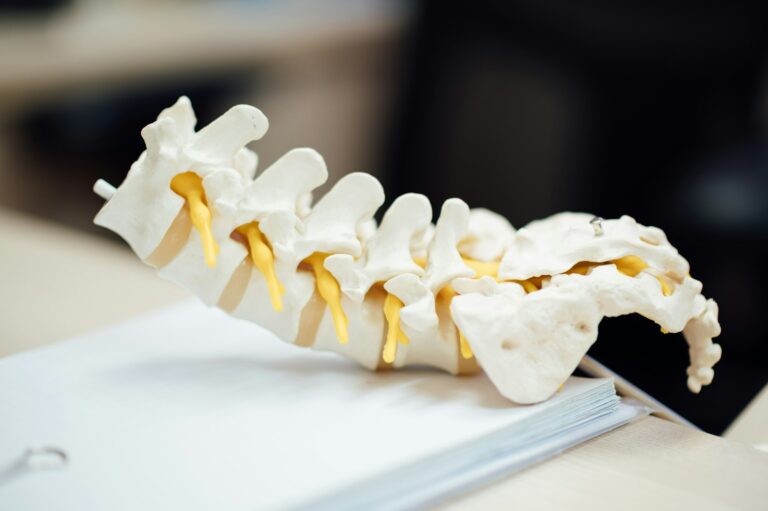
In some cases, headaches may also be linked to issues in the spine, particularly in the neck (cervical spine), where tension or restricted movement can contribute to discomfort.
Types of Headaches
There are several different types of headaches, each with its own characteristics:
- Tension headaches: The most common type, often described as a dull, tight pressure around the head
- Migraines: More intense, often accompanied by nausea, sensitivity to light, and throbbing pain
- Cervicogenic headaches: Originating from the neck, usually caused by joint or muscle dysfunction
- Cluster headaches: Less common but very severe, occurring in cycles
Identifying the type of headache you’re experiencing can help guide the right approach to treatment.
Common Symptoms
Headache symptoms can vary, but may include:
- Dull or sharp pain in the head
- Tightness or pressure around the forehead or temples
- Pain that starts in the neck and moves upward
- Sensitivity to light or noise
- Difficulty concentrating
For many people, headaches are not just painful but also affect mood, sleep, and productivity.
How Chiropractic Care Can Help
Chiropractic care focuses on improving how your spine and nervous system function. At MG Chiropractic, we assess how your posture, neck movement, and muscle tension may be contributing to your headaches.
Treatment may include:
- Gentle adjustments to improve joint mobility
- Reducing tension in the neck and shoulders
- Postural advice for daily activities
- Exercises to support long-term relief
By addressing the underlying causes, chiropractic care aims to reduce both the frequency and intensity of headaches.
Simple Ways to Manage Headaches
There are also steps you can take in your daily routine to help reduce headaches:
- Maintain good posture, especially when using screens
- Take regular breaks from sitting
- Stay hydrated
- Manage stress through relaxation techniques
- Ensure consistent sleep patterns
These small changes can have a significant impact over time.
When Should You Seek Help?
If your headaches are frequent, worsening, or affecting your daily life, it’s important to get them properly assessed. You should also seek help if:
- Pain is persistent or severe
- Over-the-counter medication isn’t helping
- You experience dizziness, vision changes, or numbness
Final Thoughts
Headaches are common, but they shouldn’t be ignored, especially if they are recurring. Understanding the cause and taking a proactive approach can help you find lasting relief and improve your overall quality of life.
With the right care and guidance, many people are able to reduce their headaches and feel more in control of their health.