Osteoarthritis is one of the most common causes of joint pain, especially as we get older. It’s often described as “wear and tear” of the joints, but there’s a bit more to it than that. Understanding what osteoarthritis is and how to manage it can help you stay active, mobile, and comfortable in your daily life.
What Is Osteoarthritis?
Osteoarthritis occurs when the protective cartilage that cushions your joints gradually wears down over time. Cartilage allows your joints to move smoothly, so when it becomes thinner or damaged, movement can become stiff, painful, and restricted.
It most commonly affects:
- Knees
- Hips
- Hands
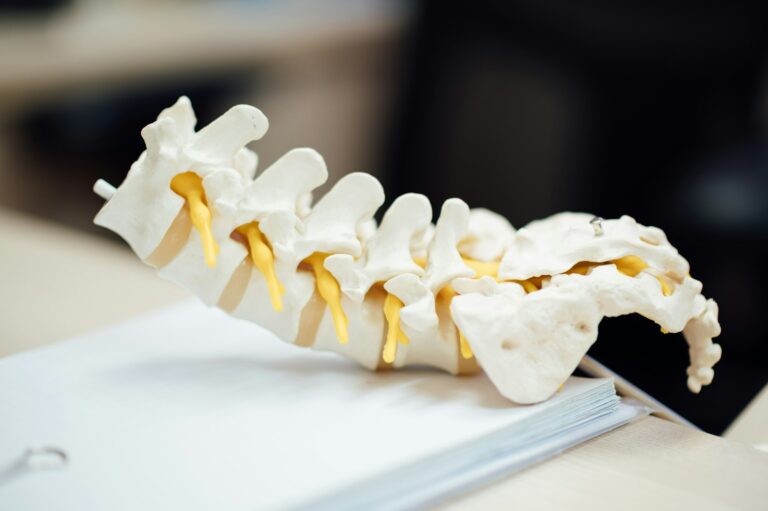
- Spine
Although it’s more common with age, osteoarthritis can also develop due to previous injuries, repetitive strain, or joint overuse.
Common Symptoms
Osteoarthritis symptoms tend to develop gradually and may include:
- Joint pain during or after movement
- Stiffness, especially in the morning or after rest
- Reduced flexibility
- Swelling around the joint
- A grinding or clicking sensation
Some days may feel better than others, and symptoms can flare up depending on activity levels.
What Causes Osteoarthritis?
Several factors can contribute to the development of osteoarthritis:
- Age-related joint changes
- Previous injuries or trauma
- Repetitive movements (work or sports)
- Poor joint alignment or posture
- Muscle weakness around joints
It’s often a combination of these factors rather than a single cause.
Can Osteoarthritis Be Treated?
While osteoarthritis cannot be completely reversed, it can be effectively managed. The aim of treatment is to reduce pain, improve movement, and support joint health.
Many people find that staying active, strengthening muscles, and improving joint mobility can make a big difference in how they feel day to day.
How Chiropractic Care Can Help
Chiropractic care focuses on improving how your joints move and function. At MG Chiropractic, care is tailored to your individual needs and may include:
- Gentle joint adjustments to improve mobility
- Reducing stiffness and tension
- Supporting better movement patterns
- Advice on posture and daily habits
- Exercises to strengthen surrounding muscles
By improving how your body moves, we aim to reduce unnecessary stress on affected joints and help you stay active for longer.
Simple Ways to Manage Osteoarthritis
Alongside professional care, there are simple steps you can take:
- Keep moving with low-impact exercise (walking, swimming)
- Maintain a healthy weight
- Strengthen muscles around affected joints
- Avoid prolonged inactivity
- Pay attention to posture and movement habits
Small, consistent changes can lead to noticeable improvements over time.
When Should You Seek Help?
If joint pain is starting to limit your movement, affect your daily routine, or become more frequent, it’s worth getting it checked. Early management can help you stay in control and avoid further discomfort.
Final Thoughts
Osteoarthritis doesn’t have to mean giving up the activities you enjoy. With the right approach and support, many people continue to live active, fulfilling lives.
Understanding your body and taking proactive steps can help you manage symptoms effectively and keep moving with confidence.