You’ve probably heard someone say, “I think I’ve got a trapped nerve.” It’s one of the most common phrases people use when describing sharp, radiating, or persistent pain. But what does it actually mean, and is a nerve really being “trapped”?
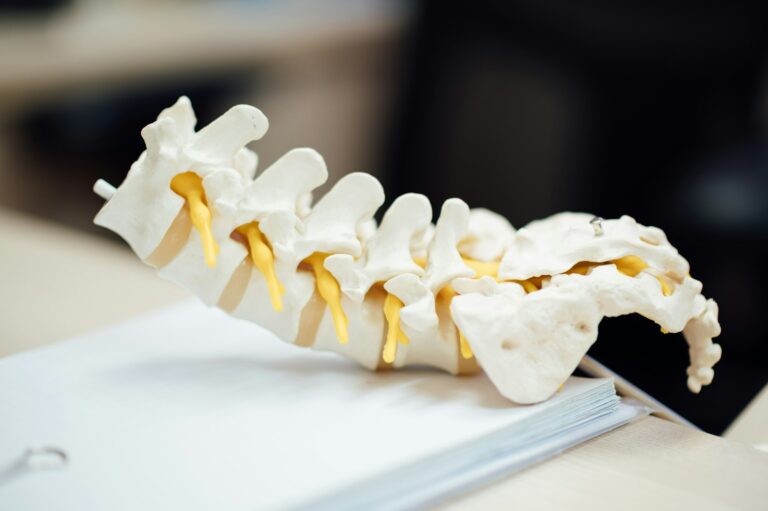
In simple terms, a trapped nerve refers to irritation or compression of a nerve. This can happen when surrounding structures such as muscles, joints, or spinal discs place pressure on a nerve. While the term “trapped” isn’t always medically precise, it does describe how the symptoms feel, often sharp, shooting, or tingling.
Common Symptoms of a Trapped Nerve
A trapped or irritated nerve can cause a range of symptoms, including:
- Sharp or burning pain
- Tingling or “pins and needles”
- Numbness in a specific area
- Weakness in muscles
- Pain that travels (for example, down the arm or leg)
These symptoms often follow the path of the affected nerve, which is why the pain can move away from the original source.
What Causes It?
There are several reasons why a nerve may become irritated or compressed:
- Poor posture over time
- Repetitive strain or overuse
- Disc issues in the spine
- Muscle tightness or imbalance
- Injury or sudden movement
For example, sitting for long hours with poor posture can place stress on your spine, leading to pressure on nearby nerves.
Is It Always Serious?
Not always. Many cases of nerve irritation improve with the right care and simple lifestyle changes. However, if symptoms persist, worsen, or begin to affect your strength or mobility, it’s important to seek professional advice.
Ignoring the issue can sometimes lead to longer recovery times or ongoing discomfort.
How Chiropractic Care Can Help
Chiropractic care focuses on identifying the root cause of the problem, rather than just masking symptoms. At MG Chiropractic, we assess how your spine and joints are functioning and how they may be affecting nearby nerves.
Treatment may include:
- Gentle chiropractic adjustments
- Improving joint movement
- Reducing pressure on affected nerves
- Advice on posture and daily habits
- Exercises to support recovery
The goal is to restore normal movement, reduce irritation, and help your body function more efficiently.
When Should You Get It Checked?
You should consider seeing a chiropractor if:
- Pain is persistent or getting worse
- You experience numbness or weakness
- Symptoms are affecting daily activities
- The issue keeps coming back
Early assessment can help prevent minor issues from becoming more serious.
Final Thoughts
A “trapped nerve” isn’t always literally trapped, but it is your body’s way of telling you something isn’t quite right. Understanding the cause is the first step toward effective treatment and long-term relief.
If you’re dealing with symptoms like these, getting the right advice and care can make a significant difference in how quickly you recover and how well you move going forward.